Research Team
The people behind the Artsakh Epigraphy Atlas: its epigraphers, digital humanists, data managers, engineers and students.
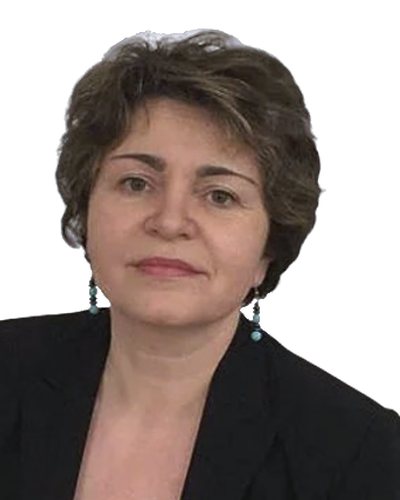
Narine Sarvazyan, PhD
Narine Sarvazyan, PhD, is a Professor at George Washington University and the American University of Armenia (AUA) and ERA Chair holder at the Orbeli Institute of Physiology. In 2021 she founded the 3D Armenia Initiative (www.3DArmenia.org) to promote the digital preservation of Armenian heritage. Her expertise includes biomedical and hyperspectral imaging, image analysis, and tissue engineering. She has extended this expertise to cultural heritage studies by creating the first library of digital twins of ancient Armenian gravestones (khachkars and tapanakars) and acquiring acoustic and spatial digital signatures of Armenian medieval cathedrals. She serves as PI of the AUA-supported Artsakh Epigraphy Atlas project.

Hamest Tamrazyan, PhD
Hamest Tamrazyan, PhD is a scientific collaborator at the Digital Humanities Laboratory (DHLAB), College of Humanities, École Polytechnique Fédérale de Lausanne (EPFL), and an Associate Professor at Ukrainian State Dragomanov University. Her research brings together digital humanities, corpus linguistics, epigraphy, and cultural heritage protection, with a particular focus on endangered Armenian heritage. She develops digital methodologies for documenting, encoding, and modelling epigraphic data and interoperable digital corpora. As the founder and Editor-in-Chief of the Armenian Epigraphic Corpus (ArmEpiC) Ecosystem, she leads the creation of a digital ecosystem for Armenian epigraphy that connects inscriptional data, terminology, places, people, monuments, images, and scholarly references. Her work also focuses on training students and early-career researchers to work across humanities scholarship, computational methods, and heritage preservation.
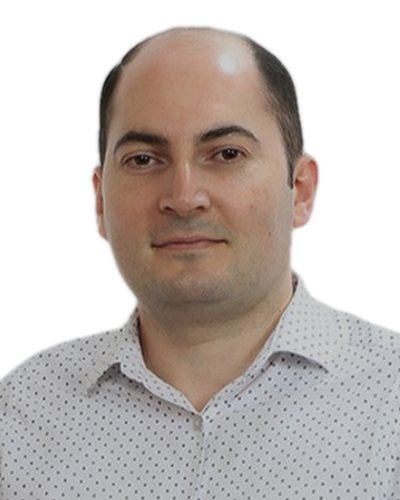
Arsen Harutyunyan, D.Sc
Arsen Harutyunyan, D.Sc is Head of the Department of Epigraphy at the Institute of Archaeology and Ethnography, National Academy of Sciences of the Republic of Armenia, and a senior researcher at the Matenadaran, the Mesrop Mashtots Research Institute of Ancient Manuscripts. He holds a Doctor of Sciences / Habilitation and a Candidate degree in Historical Sciences. His research focuses on Armenian epigraphy, including the systematic documentation and analysis of inscriptions from monastic, fortress, and regional sites such as Tatev Monastery, Dashtadem Fortress, and Kotayk. Within the Armenian Epigraphic Corpus (ArmEpiC) project, he contributes epigraphic expertise, inscriptional data, terminology validation for SKOS concepts, and photographic field documentation.
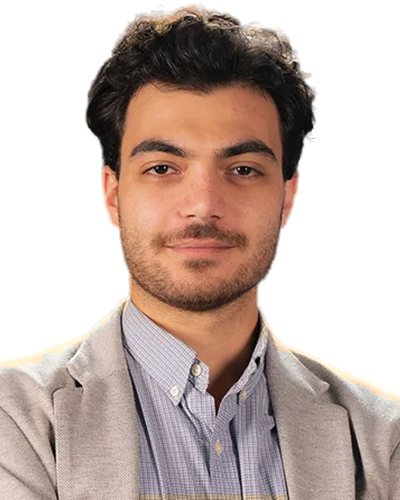
Narek Meloyan
Narek Meloyan is a Master's student in Computer and Information Science at the American University of Armenia, where he completed his BS in Data Science in 2025. He serves as Software Architect and Tech Lead at Wireless2020, and is a Researcher at the L.A. Orbeli Institute of Physiology and at Yerevan State University's Optical Physics, Photonics AI group. His research interests span biomedical imaging and bioengineering, with a focus on AI applications in science. His industry expertise centers on GIS analysis, which he has extended to cultural heritage through the Epigraphy Atlas, contributing geospatial and computational methods to the documentation of Armenian inscriptional heritage.

Narine Galstyan
Narine Galstyan is an English Language translator, compliance and administration specialist with previous experience in international relations, diplomacy, and humanitarian cooperation. She currently serves as an IRB administrative coordinator and a translator for the EU funded ERA-Chair Project at the L.A. Orbeli Institute of Physiology. While working at the Ministry of the Foreign Affairs of Artsakh Republic she contributed to the preservation of Artsakh cultural heritage by translating the Collection of the Museum of Numismatics of Shoushi which helped to make this important cultural resource accessible to a wider international audience. In the framework of the Artsakh Epigraphy Atlas project she is coordinating epigraphic data management and ensuring the quality and consistency of project outputs.
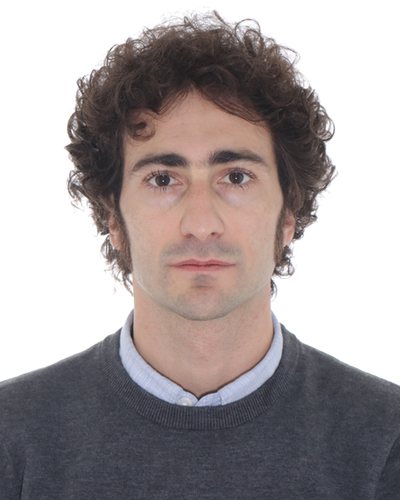
Narek Chilingaryan
Narek Chilingaryan is a researcher and data manager at the L. A. Orbeli Institute of Physiology, with previous seminary training at San Lazzaro degli Armeni in Venice, Italy. His current research focuses on biomedical engineering, particularly hyperspectral imaging and data science, which he applies to the characterization and classification of biological specimens. He is also the founder of Armenian Culture In Numbers, an initiative dedicated to exploring and presenting Armenian cultural heritage through data-driven visualizations. Within the Artsakh Epigraphy Atlas project, he contributes his expertise in data management and knowledge of Classical Armenian to support the structured organization, documentation, and digital preservation of Armenian epigraphic heritage.

Zara Grigoryan
Zara Grigoryan is an Ubuntu Engineer at Canonical and a 2026 Computer Science graduate of the American University of Armenia (AUA). Her professional background includes software development in Electronic Design Automation (EDA), FPGA systems, and embedded programming in C++. Her interests span systems programming, computational methods, and the application of digital technologies to the study and preservation of cultural heritage. She previously contributed to the 3D Armenian Tapanakars project through historical documentation and translation of relevant literature. As part of the Artsakh Epigraphy Atlas project, she has been involved in collecting and digitizing epigraphic data and creating digital sketches of inscriptions.

Yana Harutyunyan
Yana Harutyunyan is a Data Science student at the American University of Armenia (AUA), Class of 2028. Originally from Artsakh, she is the Communications Specialist at Artsakh Union, an NGO advocating for the rights of displaced Artsakh Armenians, and the Project Coordinator of Hayqi Sharavighner, a national-political school that educates young people in history, political thought, law, and culture. Within the Artsakh Epigraphy Atlas project, she researched published sources, extracted inscriptional data, and carried out on-site examination of inscriptions. For her, documenting the inscriptions of her homeland means making sure they are studied and remembered, whatever the fate of the places where they stand.

Lusine Stepanyan
Lusine Stepanyan is a Computer Science student at the French University in Armenia (UFAR), interested in artificial intelligence, machine learning, and robotics. Her projects include autonomous drone navigation using the A* algorithm, indoor emergency evacuation systems, and data-driven analysis of infrastructure accessibility in Armenia. By volunteering for the Artsakh Epigraphy project, she helped to organize data for the digital preservation of Armenian epigraphic heritage. Through her technical projects and volunteer work, she aims to apply computational methods to real-world challenges.